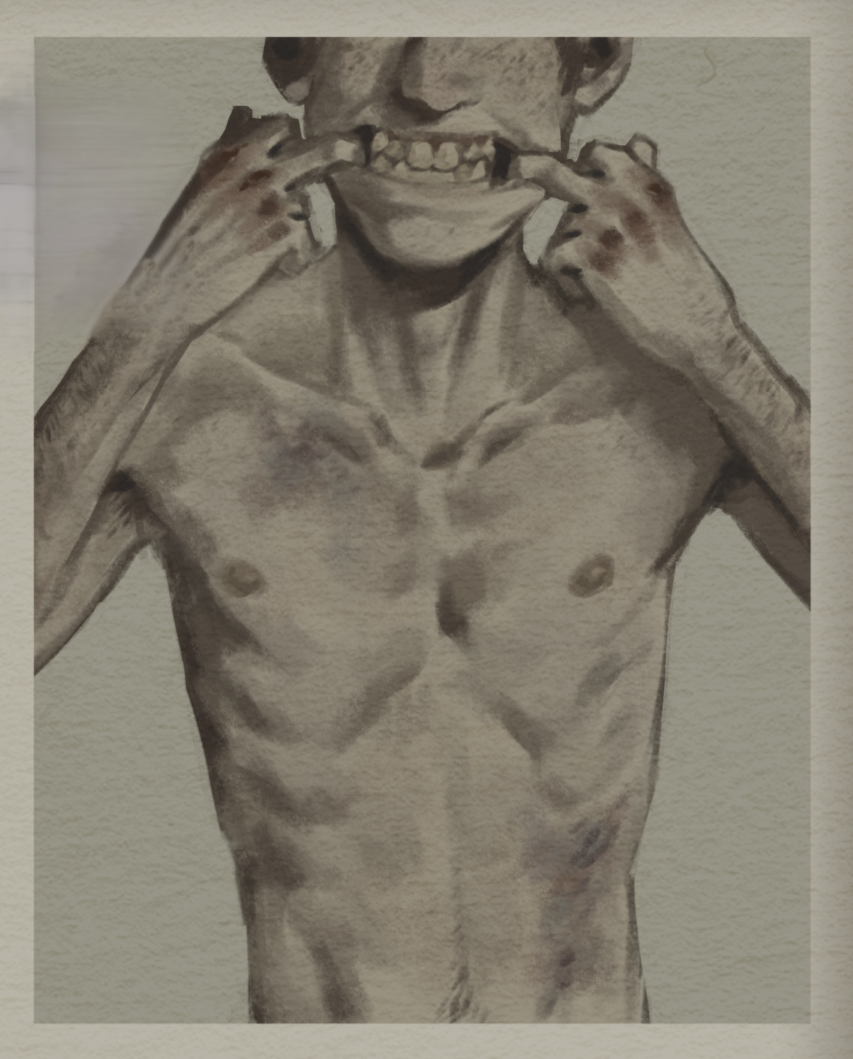
⬅ Le Lapin
Le Lapin

Birth name
(UNKNOWN)
Alias
Le Lapin
Namesake
Le Lapin → FR: "the rabbit"
Profile
Date of birth
Spring, 1860 | Age: 22
Place of birth
 France
France
Ethnicity
French
French
Height
165 cm (5'4")
Other Information
Occupation
Student (1866-1876)
Languages
French (Native)
 English (B2/C1)
 Latin (A1/A2)
French (Native) English (B2/C1) Latin (A1/A2)
Handedness
Right-handed
"You want honesty? All right: I want your wallet and I think your boots are ugly. The rest of it isn't your goddamn problem and it sure as hell isn't mine."
Introduction
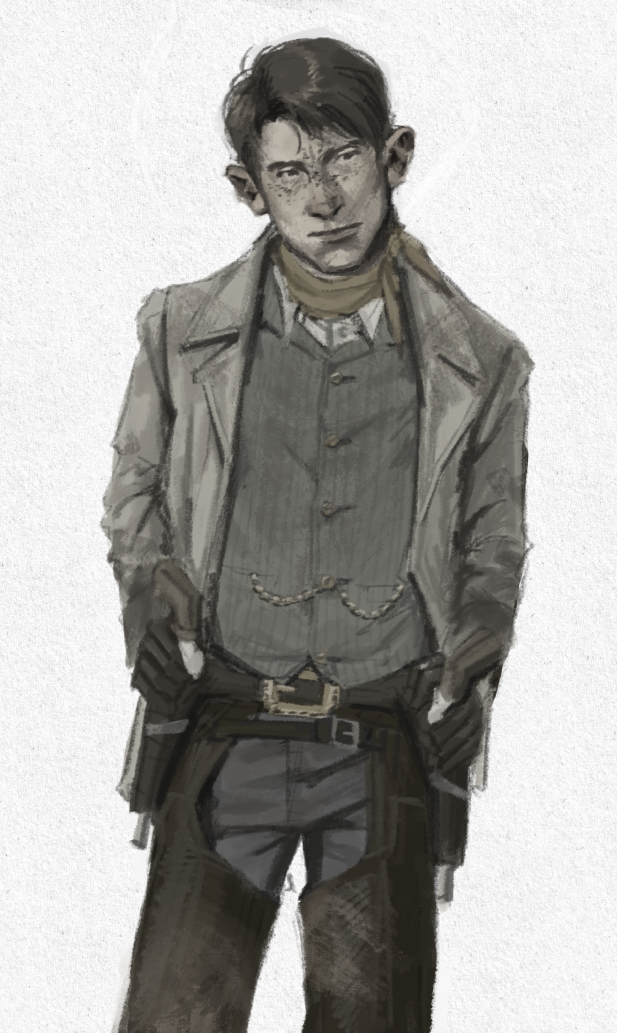
Le Lapin is a fugitive from France who lives in the church stable. He's a sharp-tongued thief and incorrigible flirt who often goes unnoticed until he decides otherwise. Most of his days are spent in town and the saloon, either betting, playing FFF, or slipping behind the piano. He is especially adept with his dagger, never leaving without it and always keeping it sharp. When alone, he reads whatever he can find and fills pages with scribbled arguments, short stories, and letters he never sends. There's a certain effortlessness to the way he lives, as if nothing ever quite catches up to him. But sometimes, in the quieter moments, that ease begins to feel a little too deliberate.
History
Le Lapin was born in the spring of 1860 in a large city in coastal France; an illegitimate son of a prostitute. His father, a man he never knew, was rumored to have gone mad and shot himself, and his mother died of fever when he was young. He grew up in a cramped tenement with his siblings along the port, attending school briefly but performing poorly. Restless, disruptive, and quick to fight, he was eventually expelled.
Considered difficult and burdensome, he was sent to a religious boarding school outside the city. Though he struggled at first, he gradually adapted to its rigid structure. He was never exceptional, but was a surprsingly intelligent student, if sometimes disobedient. He later formed a small circle of friends, who nicknamed him "Le Lapin" for how fast he could run and his big ears.
As a teenager he fell into petty trouble, particularly slipping out to drink after dark with a boy from his circle they called Le Lèche-bottes, "Bootlicker", a nickname he got for being a teacher's pet. Before long, the two grew close, and began fooling around. They were eventually discovered sneaking back in, though the true reason for their nightly absences was never uncovered. Botte blamed him for getting in trouble with the Headmaster, putting distance between them. When Botte later took a girlfriend, Le Lapin cut ties with him. Despite being heartbroken, he denied having given it any further thought.
Just before he was due to graduate, he left school at sixteen to care for his younger sister when she fell ill. Meanwhile, his eldest brother, whom he had long admired, began spending money they didn't have on drink. He rarely came back home, leaving him responsible for the tenement. After his sister's death, an argument broke out in their stairwell. He told him that his efforts had been in vain, and that it had been foolish to drop out. Knowing he was right, Le Lapin shoved him in anger. His btother fell and struck his head on the stone steps. Le Lapin tried to wake him, but there was no response. Panicked and alone, Le Lapin hid the body and fled. He reached the docks and concealed himself aboard a merchant ship, intending only to hide for the night. But by the time he woke, the vessel had already departed.
After being discovered, he was forced into labor until the ship reached New York. He escaped before authorities could take him. Driven by fear, he took himself a loose horse and pushed west for nearly half a year, surviving through theft. Desperate for money, he eventually sold his horse and tried to head west by slipping onto a freight car, but a rail patrol dragged him down before the train departed. Lacking papers, money, or a convincing story, he was locked up on a vagrancy charge. However, not long after, he managed to slip out and flee.
After escaping custody he came across a group of children struggling to calm their spooked horses. He ran in without thinking and got the animals settled. The children belonged to a German family making their way west, and when their parents arrived and saw what he had done they allowed him to ride along. The children spoke better English than their parents and taught him on the way, correcting him and finding his mistakes funnier than he did. With his usefulness concluded when they reached the Dakotas, Le Lapin saw no proper way to explain where he intended to go next. He slipped away before dawn with one of their horses and continued west alone. It was not the worst thing he had taken from people who deserved better.
By late winter he reached the Montana Territory in a weakened state, suffering from hypothermia and exhaustion, until his horse collapsed beneath him. He would likely have died there if not for a passing preacher, Reverend Glasseye, who found him and carried him to shelter.
Personality
Le Lapin has never fully decided what to think of his brother. He knows it was an accident, but he also knows a man he loved is dead by his hand, and some part of him even believing he deserved it. The denial sits deep and he has learned not to dig near it, knowing he could not return from it.
He doesn't think particularly well of people. Lying and cheating are tools he uses without much remorse, though less out of malice than out of need. The one line he won't cross is stealing from anyone who looks worse off than him. He has never explained this rule to anyone and would deflect if asked about it. He has worn his charm and humor for long enough that he's no longer sure what is underneath it. He doesn't really like the performance, but he is a pessimist by nature and has a sharp enough tongue that the world has made clear it prefers the version of him that makes it laugh. So that is the version it gets. He does not think he deserves much, though he is genuinely glad for what he has, which is more than he expected.
With the few people he allows close, he does not become soft exactly, but he becomes more honest, and the cockiness more light-hearted. He still teases and still cuts, but the intention is different and most of the time it lands that way, though not always. When something genuine is called for he sets his facade down entirely, becoming dead-serious. His jokes occasionally become much darker than the moment calls for, surprising everyone but him. When genuine kindness surfaces in him it tends to catch him off guard as much as anyone else, which unsettles him more than he lets on.
He is not a large man and knows it, but he does not doubt his own capacity for violence. He keeps a knife tucked in his boot at all times. It is cleaned and sharpened daily, despite rarely using it outside of FFF, and he is not much interested in other people's opinions of it. He refuses to admit he's paranoid, yet always keeps an eye on the doors and the men coming in, and knows he would not hesitate to draw his dagger.
He is terrified of falling ill. Not of pain, but of immobility, and fully considers it rational. He keeps himself clean as best he can, and is quite picky about food. He will go hungry rather than eat something that doesn't sit right with him.
He has a tendency to run from things, specifically his past, keeping enough distance and enough noise between himself and it that it cannot catch up and demand to be looked at. What he wants, underneath everything, is to feel safe. To stop performing, to stop running, to be whoever is underneath all of it without the consequence of that being something he cannot afford.
Trivia
Gallery
17.01.2026
Reverend Glasseye | Rawhide | Le Lapin
Goodnight, Montana (OC)
Reverend Glasseye | Rawhide | Le Lapin
Goodnight, Montana (OC)

31.12.2025
Le Lapin | Rawhide | Reverend Glasseye
Goodnight, Montana (OC)
Le Lapin | Rawhide | Reverend Glasseye
Goodnight, Montana (OC)
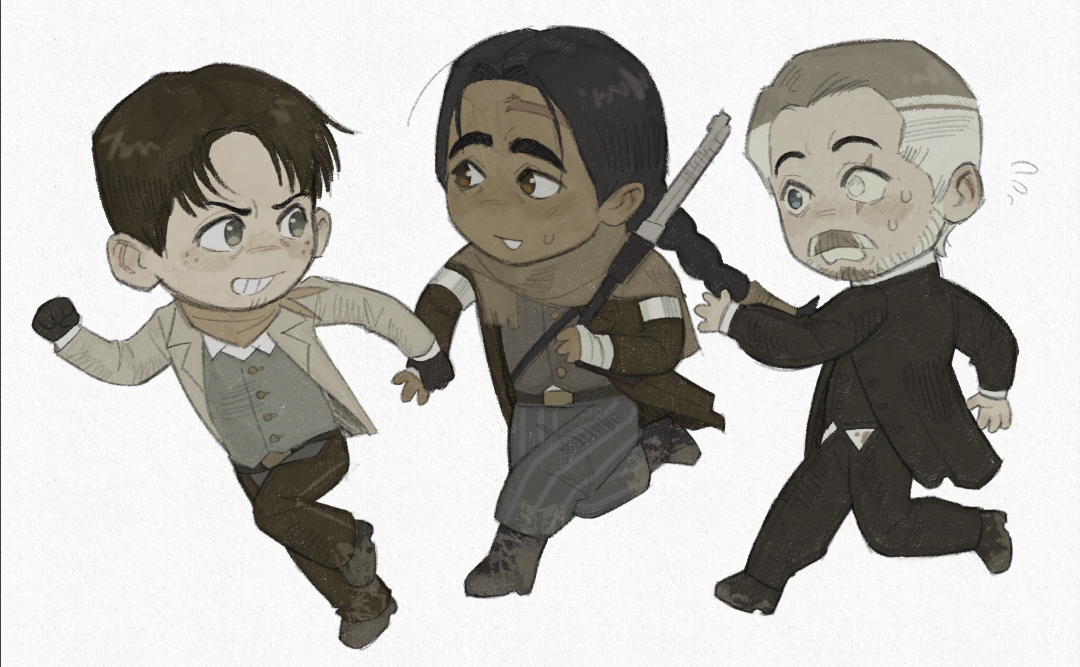
25.12.2025
Le Lapin | Rawhide
Goodnight, Montana (OC)
Le Lapin | Rawhide
Goodnight, Montana (OC)
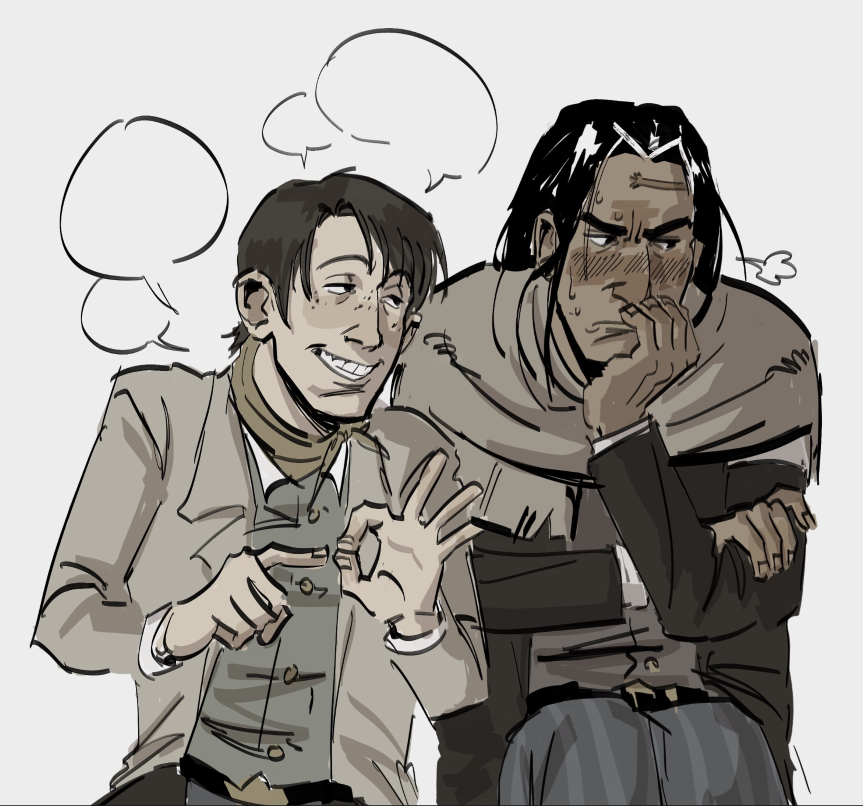
11.12.2025
Le Lapin | Rawhide | Reverend Glasseye
Goodnight, Montana (OC)
Le Lapin | Rawhide | Reverend Glasseye
Goodnight, Montana (OC)
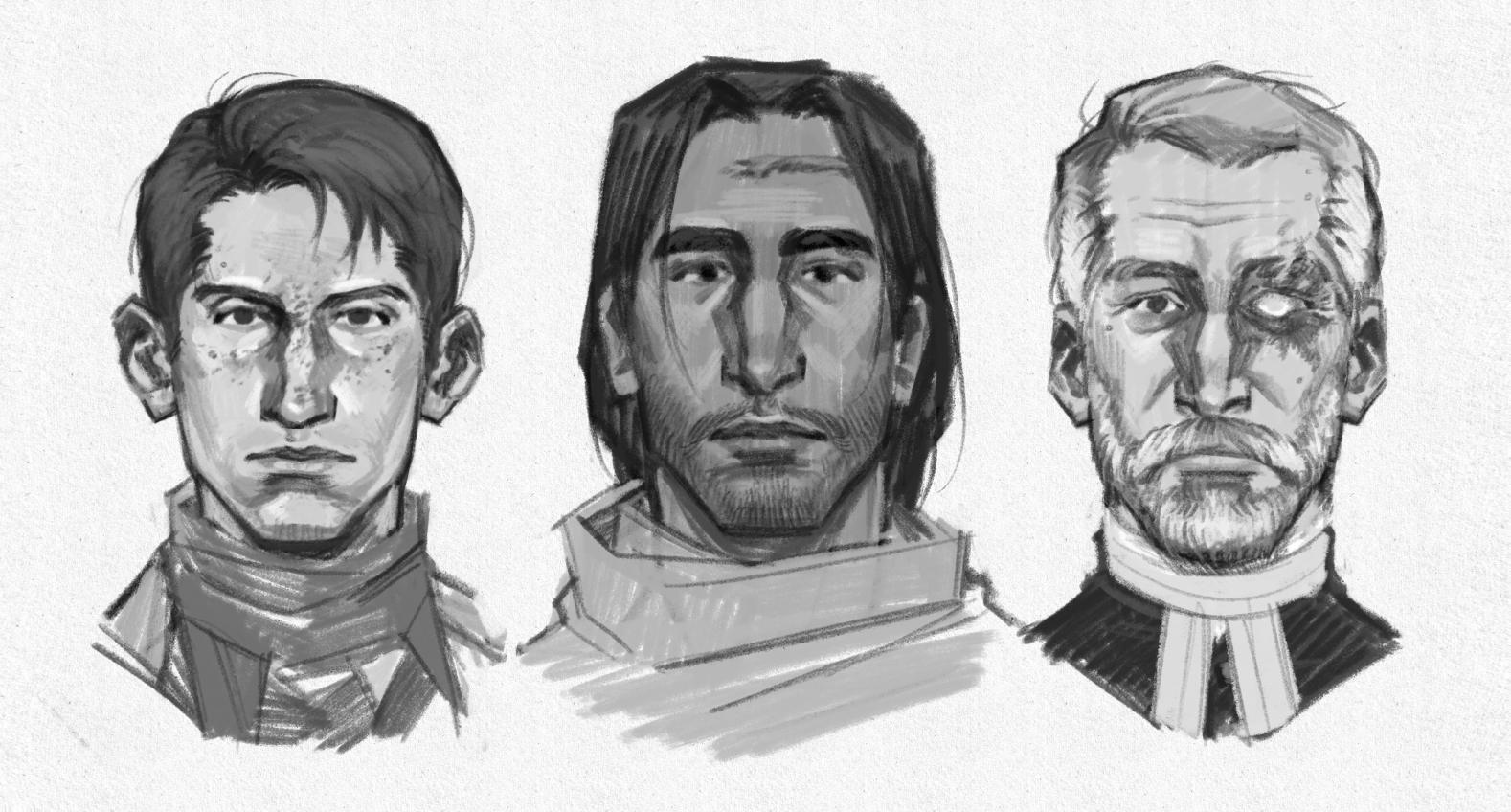
15.11.2025
Le Lapin
Goodnight, Montana (OC)
Le Lapin
Goodnight, Montana (OC)
21.06.2025
Le Lapin
Goodnight, Montana (OC)
Le Lapin
Goodnight, Montana (OC)